Sunday, April 5, 2026
Home Blog Page 84

Hoosier Marketplace

Established in the 1890s, Abbott’s Candies is known for its handmade buttery caramels and other confections. W.C. Abbott originally started making butterscotch, penny-stick taffy and ice cream in Hagerstown. Three generations of Abbott’s ran the family business until 2012 when Jay and Lynn Noel bought the company. Today, Abbott’s Candies are available in several locations throughout the state. abbottscandy.com.

Since 1992, Moonshine Leather Co. has offered quality, handmade leather goods. From purses to belts to aprons to cell phone cases, Moonshine Leather Co, has something for everyone. Located in Nashville, Moonshine Leather Co. products are all Made in the USA, a point of pride for the company. moonshineleather.com.

Located in Union Township, Union Farm Goods uses reclaimed wood to make all of its one-of-a-kind creations — each piece is different — for a warm touch to any home decor. Union Farm Goods opened in 2015, and its rustic wood pieces are handcrafted on an Indiana farm. unionfarmgoods.com.

For more than 30 years, Eisele’s Raw Honey, located in Westfield, has been serving true honey to Hoosiers. Instead of boiling the honey before it’s bottled, Eisele’s Raw Honey goes straight from the beehive into the bottle. Raw honey is less sweet than heated honey and contains phytonutrients, bits of wax and pollen. It also starts as a liquid and eventually thickens into a semi-solid state. eiseleshoney.com.

Earth Drops natural handcrafted soaps are made of 100 percent vegetable oil. Earth Drops offers soap for humans as well as man’s best friend. Located in Bloomington since 1996, Earth Drops soap was created after the founder Cheryl Lehman’s  mother began experiencing skin problems. Lehman devised a gentle, moisturizing and soothing soap for her mother. Over time, Lehman began giving away her soap as gifts, and eventually her fun hobby turned into a business. earthdrops.com.

Shrinking the hospital

0

St. Vincent makes hospital care more accessible

By Lexy Deckert

In recent years, the shift in how we use technology has gradually transformed consumer expectations, how industries address the evolving demands of their customers, and how health care providers engage with their patients. 

As one of Indiana’s largest health systems, St. Vincent seeks to reimagine how health care is delivered by identifying new and innovative ways to provide accessible, compassionate care to people when and where they need it. 

Below are a few of the ways St. Vincent is incorporating new care models and the latest technologies to make it easier for individuals and families to access the health care they need:

St. Vincent Neighborhood Hospitals

A new, innovative kind of hospital model has been popping up throughout the Indianapolis area, offering compassionate health care closer to home. St. Vincent Neighborhood Hospitals are small-scale, 17,000-square-foot facilities offering emergency room and inpatient services just like a full-sized hospital, but with shorter wait times allowing adults and children to see a physician within 15 minutes or less. Also known as micro hospitals, these full-service, 24/7 facilities provide state-of-the-art technology, emergency services and inpatient care. Each neighborhood hospital offers its own low dose CT and imaging services, radiology, digital x-ray equipment and pharmacy services. St. Vincent opened Indiana’s first neighborhood hospital in Noblesville in July 2017. Since then, St. Vincent Neighborhood Hospitals have sprouted up in Castleton, Avon and Plainfield with plans to open four more locations before the end of 2018. Visit stvincentneighborhoodhospital.org.

St. Vincent OnDemand 

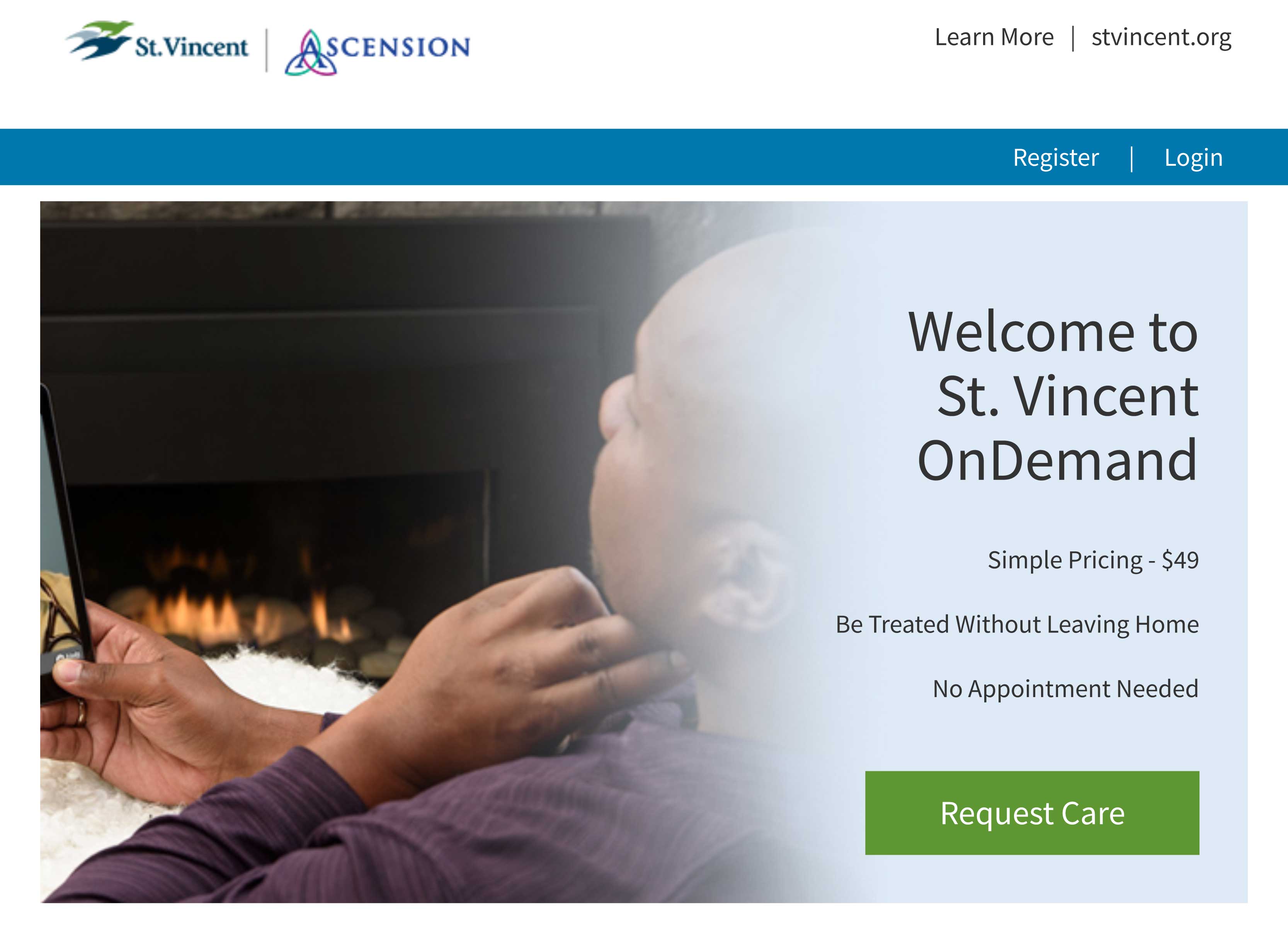
St. Vincent OnDemand is a convenient, easy-to-use, virtual care option that can provide individuals with quality care from a board-certified provider through any web-enabled device — smartphone, tablet or computer. This feature is changing health care delivery by providing a way for individuals to have a virtual face-to-face conversation with a provider through their personal device at a time and place most convenient for them — without the need for an appointment. St. Vincent OnDemand can help to diagnose and treat common health conditions, including cold and flu, pink eye, skin rashes and sore throats. Think of it as a virtual visit to the doctor’s office that can save you from making an unnecessary trip. Through these virtual visits, providers can prescribe medications and send them to patients’ local pharmacies. And unlike virtual care services with limited hours, St. Vincent OnDemand is offered 24/7/365 — whenever someone needs to speak with a medical expert. Visit stvincentondemand.anytime.org.

Online Scheduling

With a few clicks of a button, current and new patients can schedule appointments at their convenience with St. Vincent’s online scheduling feature. The process of scheduling an online appointment is simple. Available doctors and appointment days and times are listed based on patients’ insurance type and location. After deciding on an date and time, patients must fill out a short questionnaire and confirm the appointment. By using online scheduling, patients can avoid long phone calls and hold times. This feature is just another way St. Vincent is making health care easily accessible. Visit getstvincentcare.com. I

Family fashion

0


Today’s families are busy! Whew! Parents work hard from 9 a.m. to 5 p.m. — or later — and then make a mad dash to watch their children compete in a soccer match, perform in a band concert or any number of extracurricular activities at school. 

Just because you’re super busy, however, doesn’t mean style goes by the wayside. So whether you’re cheering for your favorite athlete or performer or simply enjoying a weekend of family fun, these comfortable yet stylish clothes fit the bill. Remember, no matter how busy your schedule, there’s always room to look good.


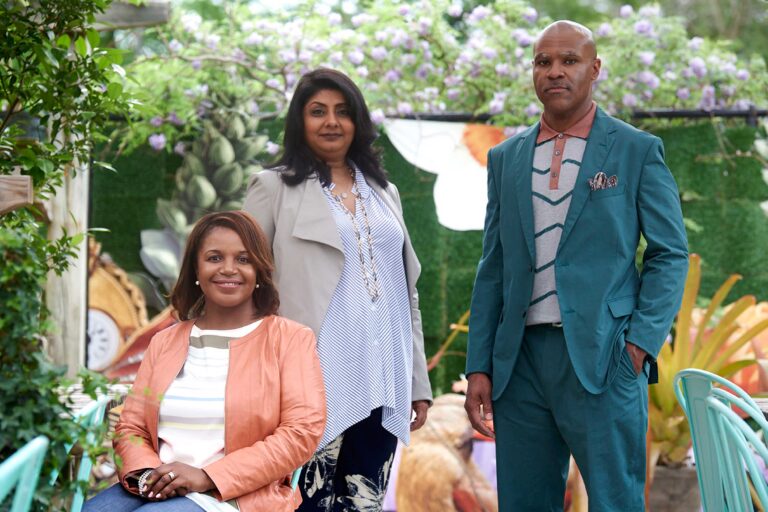
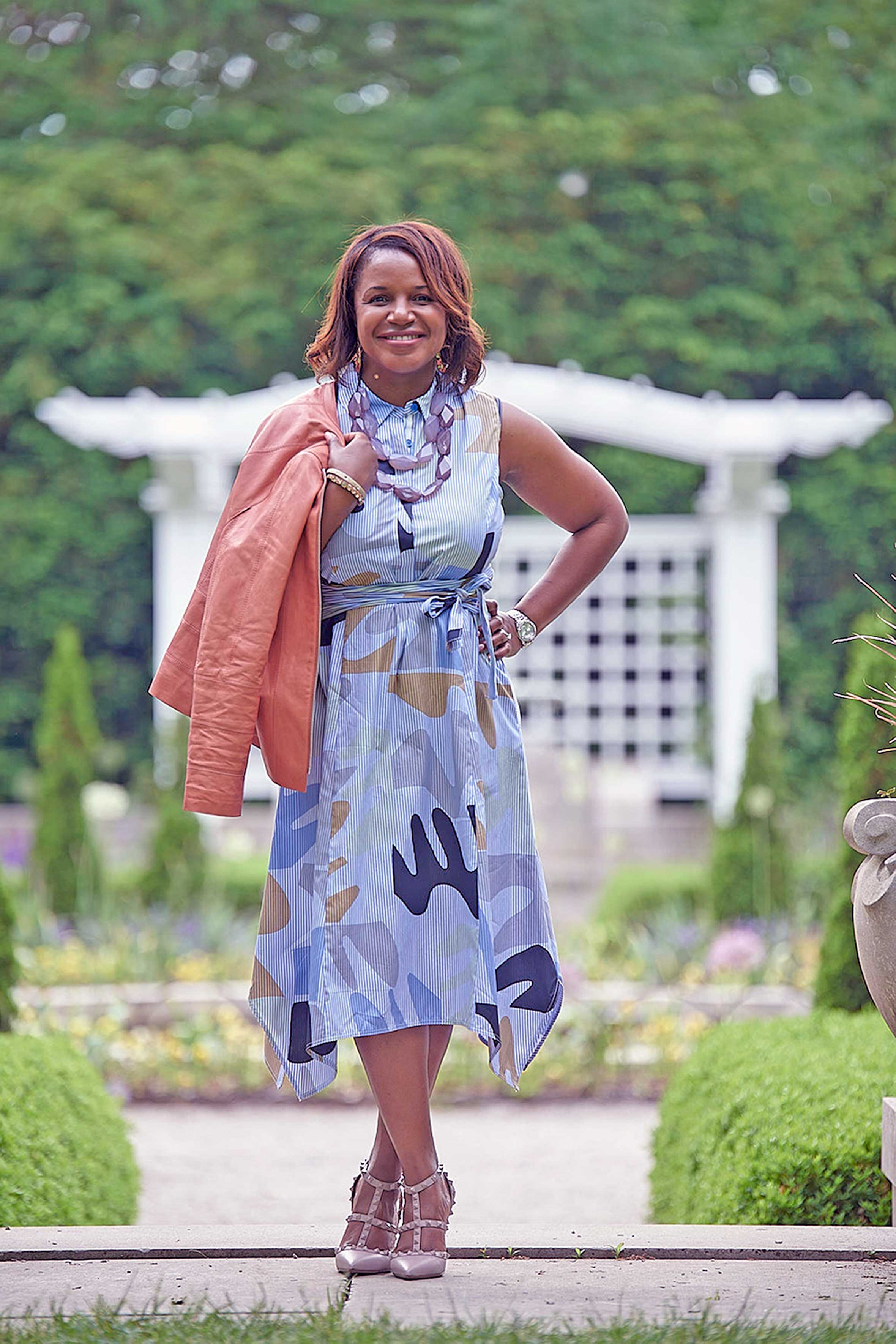
LaToya Dix

Realtor

Carpenter Realtors, Zionsville 

Shirt dresses are great transitional pieces that can effortlessly take you from a work meeting to a fun family outing. This belted dress is cut from pure Italian cotton with an abstract print. The waist tie adds definition to the silhouette and the leather jacket provides a pop of color that perfectly coordinates with the studded heels. 

(Dress, Lafayette 148; shoes, Valentino; jewelry, stylist’s own)

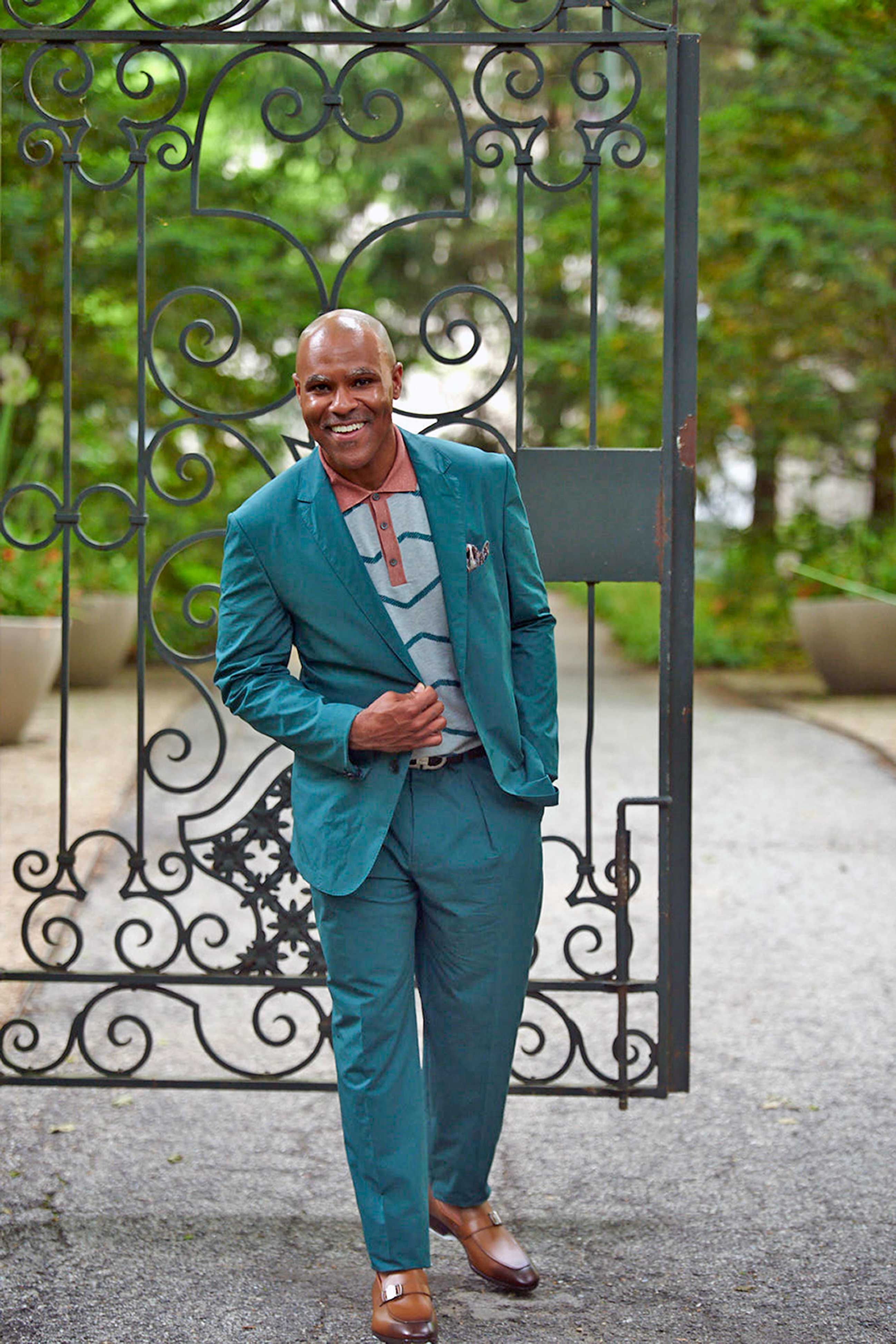
Keith Dix

President 

Touchdown RV 

Summer is the perfect time to ditch traditional-colored suits and opt for vibrant pieces that complement the sunny skies. Go for a relaxed, but polished look by pairing the suit with a lightweight collared sweater that has corresponding colors. Sleek shoes and a fun handkerchief complete the look. 

(Suit and sweater, Hugo Boss; shoes and belt, Salvatore Ferragamo) 

The Dix Family 

LaToya and Keith toned down their professional looks by ditching the jackets and formal shoes and adding sneakers. Their daughters Alahna (left) and Karis are wearing stylish dresses and carrying topped trendy purses, perfect for a family fun day.

On Alahna: Cold shoulders fit-and-flare dress with ruffle trim by Milly Minis. Purse, Bari Lynn. 

On Karis: Oxford shirt dress with patch pockets, belted waist and a scalloped hem by Milly Minis. Purse, Bari Lynn.

(LaToya’s shoes, Prada; Keith’s shoes, Saks Fifth Avenue collection)

Rupal Thanawala 

Account Executive 

Accenture 

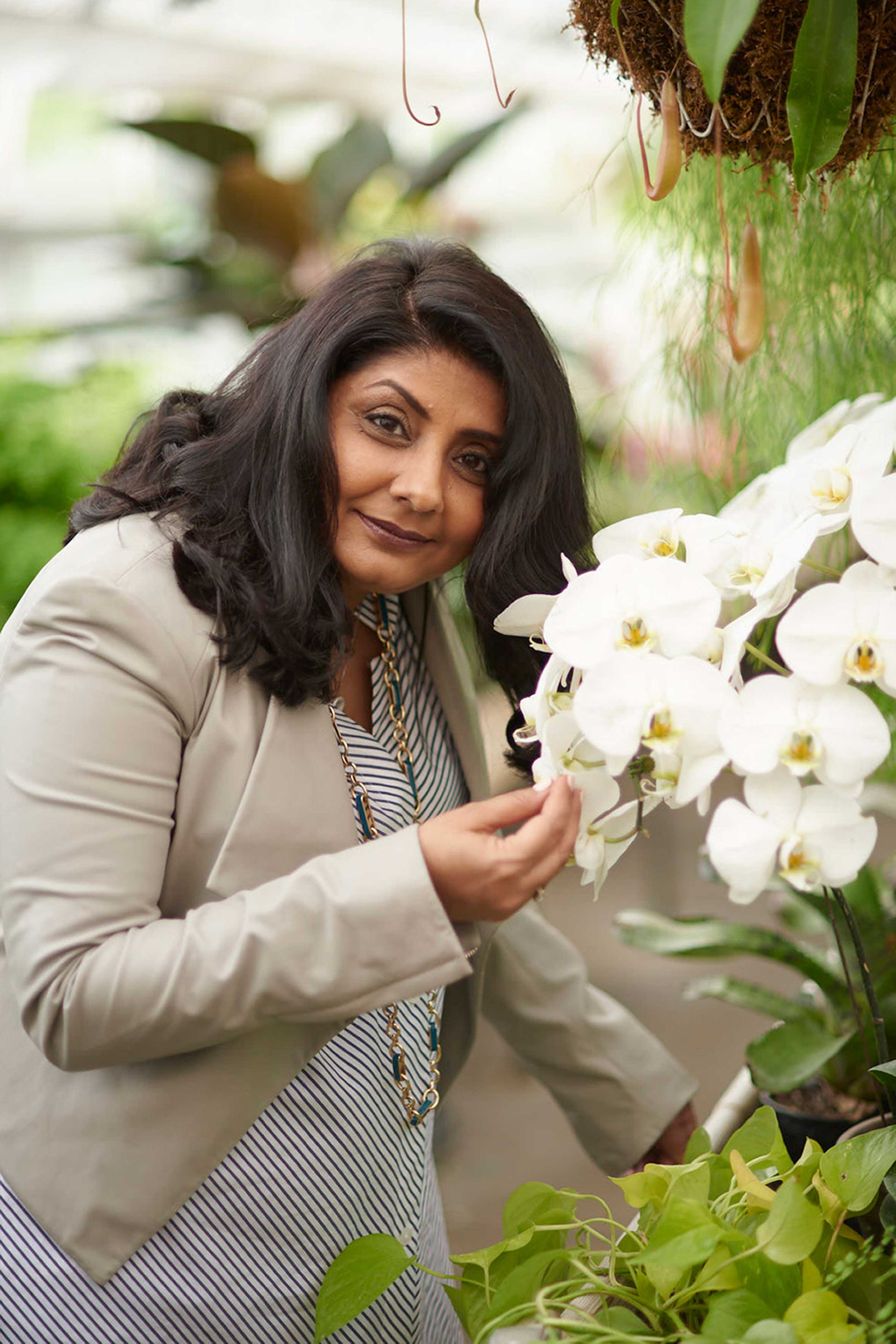
Stripes are all the rage this season and add nice dimension to solid pieces. This blue-striped shirt and modern necklace are perfect accents to the sleek cowl leather jacket. 

(Jacket, Theory; shirt, DKNY)

Accessories such as colorful scarfs provide stylish flare to outfits. Rupal is pictured with her mother, Dayaben Thakkar, whose scarf perfectly complements her dark blazer by Rag & Bone. 

Adding pops of color is a great way to spice up an outfit that consists of neutral tones or staple black and white pieces. 

(Jacket, Lafayette 148; shirt, St. John; pants, DKNY)

Special thanks:

Saks Fifth Avenue

Newfields 

Magic awards $10,000 scholarship

0

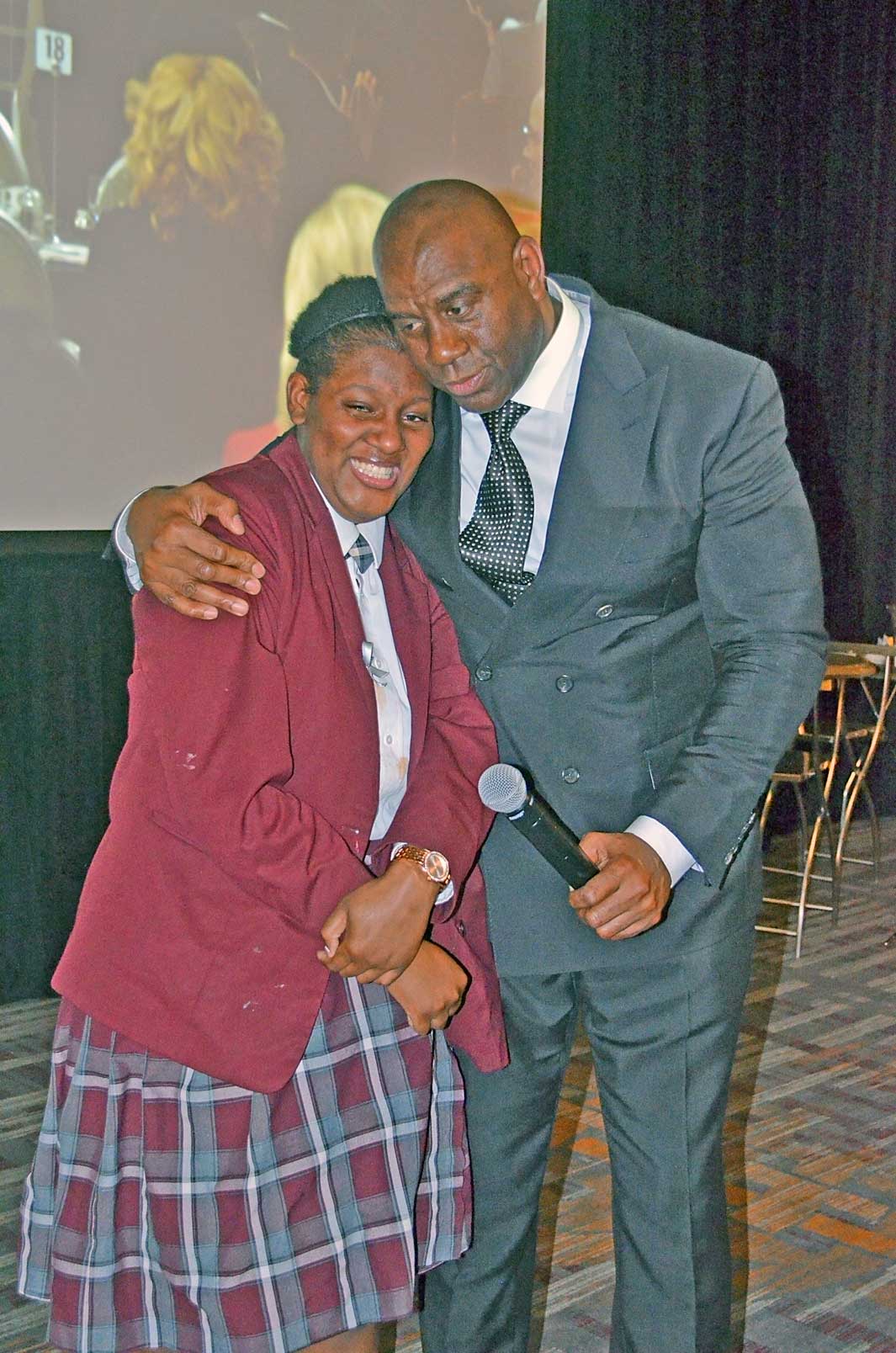
Steward Speakers Series featured Earvin Magic Johnson in the season finale at the Indianapolis Marriott Downtown. Johnson is the CEO of Magic Johnson Enterprises. Johnson provided Tiana Woodridge, a sophomore at Tindley Accelerated High School, Indianapolis, with a $10,000 college scholarship. Woodridge plans to attend Spellman College in Atlanta, Georgia. (Photos/Greg Byer

D-Vine Wine & Beer Festival fundraiser

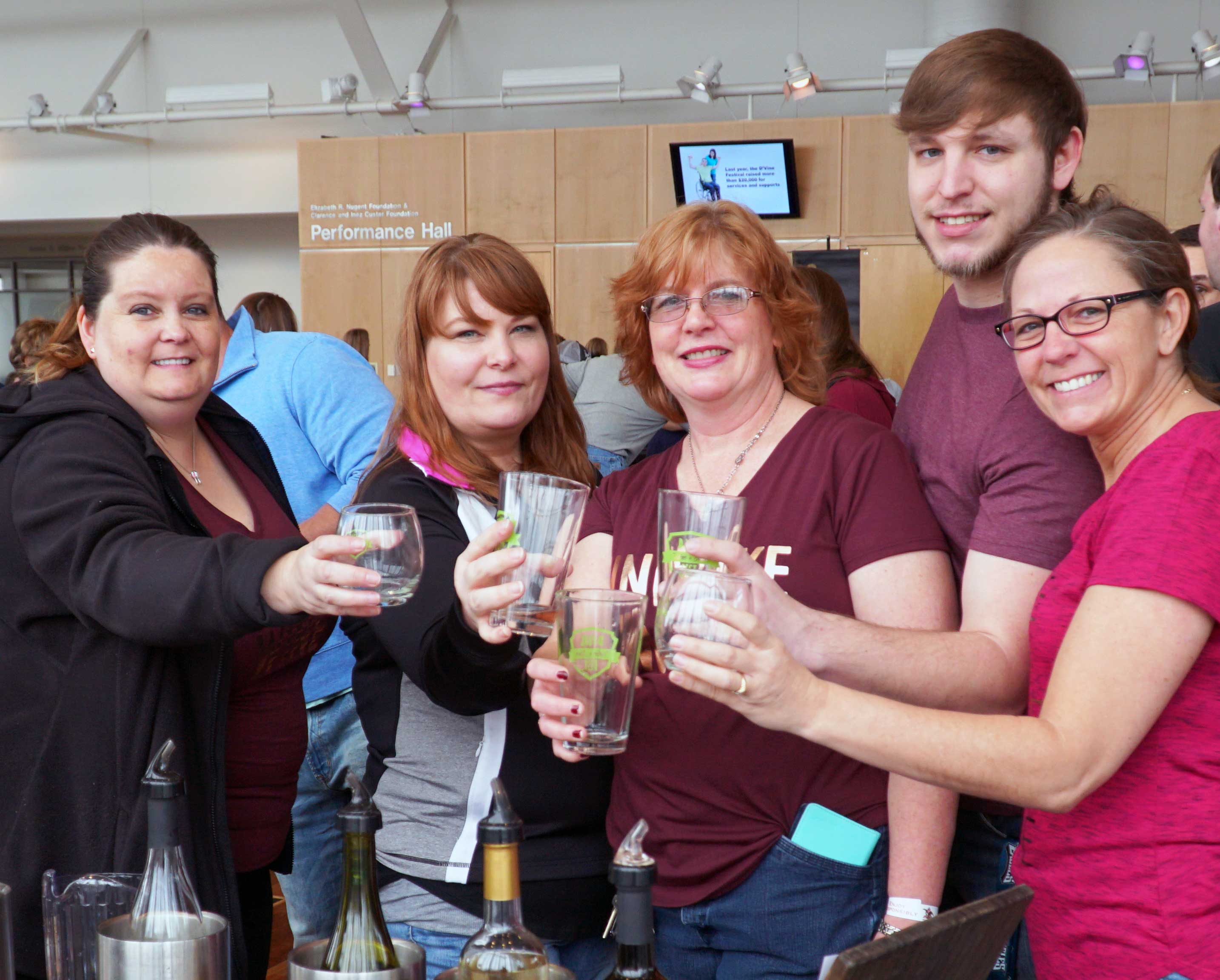
Developmental Services held the 10th annual wine, beer and spirits tasting event in Columbus. The D-Vine Wine and Beer Festival raised $15,300 for individuals with disabilities. From left: Veronica Perry, Tracey Staples, Gwyn Moore, Randall Rothrock and Jerri Streeval show off commemorative tasting glasses.

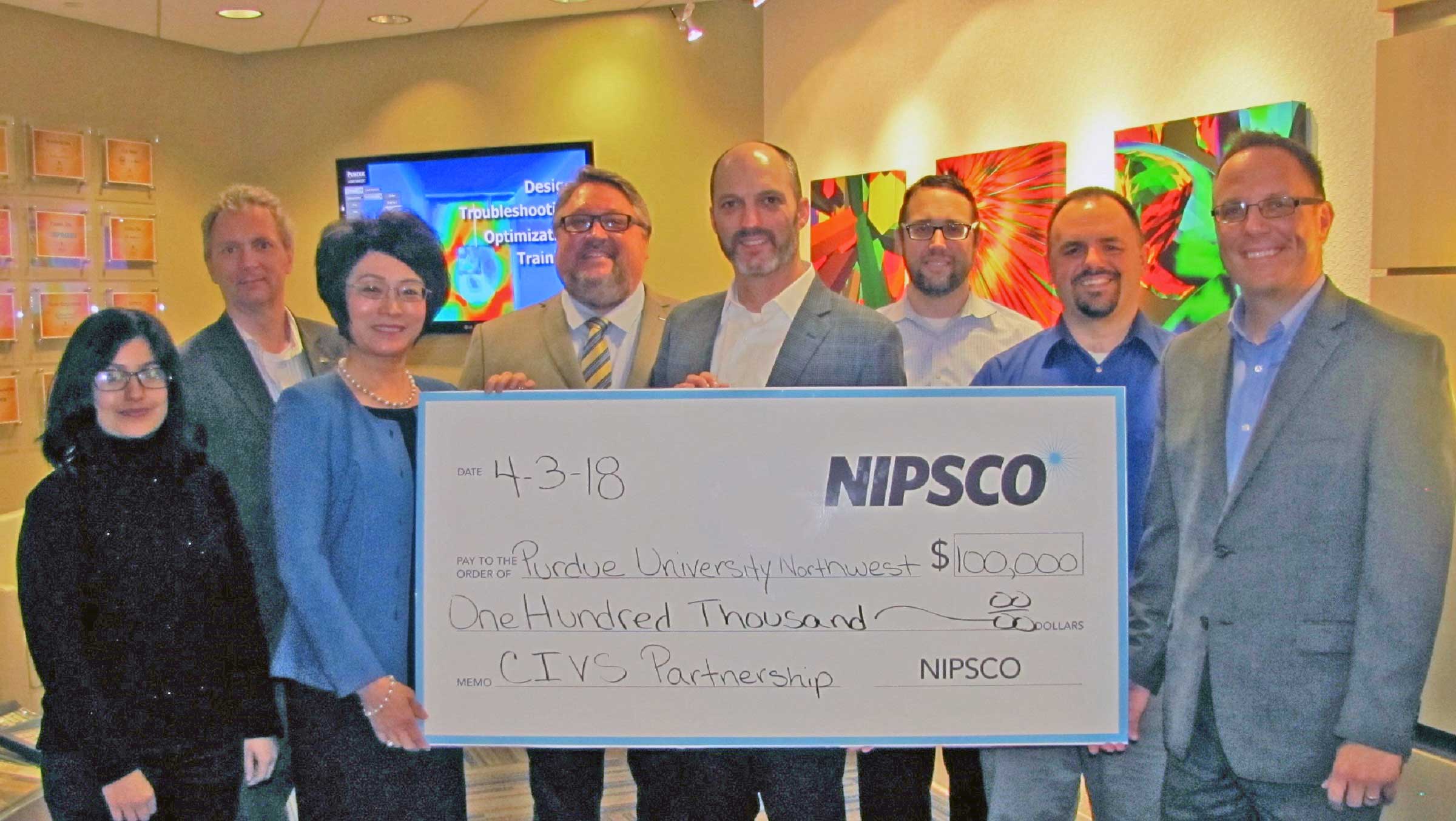
CIVS receives $100,000 grant from NiSource

Purdue University Northwest (PNW) and PNW’s Center for Innovation through Visualization and Simulation in Hammond and Westville received a $100,000 grant from NiSource, the parent company of NIPSCO and Columbia Gas companies, to continue student research in first responder and workplace safety.

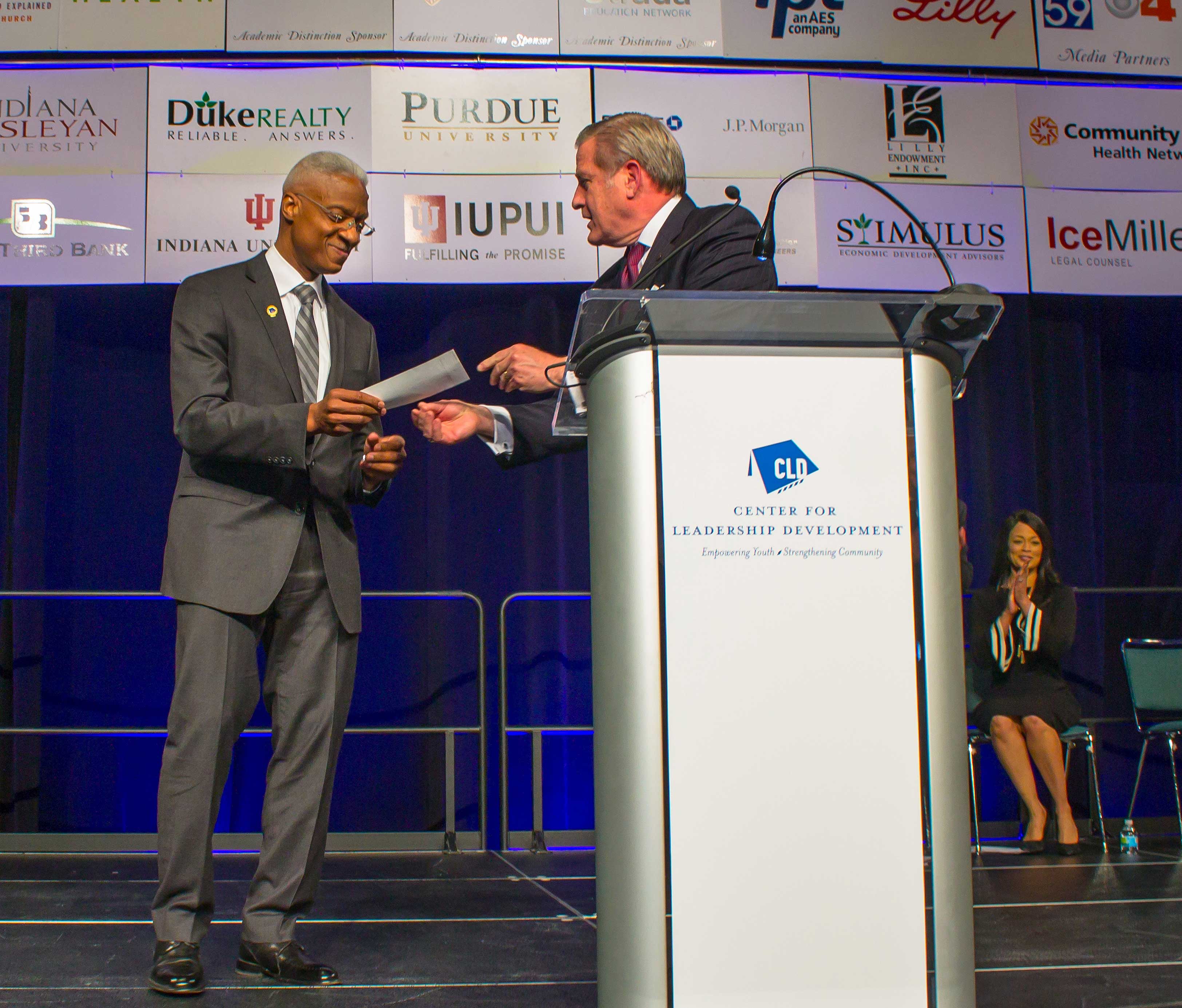
CLD receives $100,000 donation

Center for Leadership Development (CLD) President Dennis Bland (l) received a check for a $100,000 donation from Allison Transmission Chairman and CEO Larry Dewey during the organization’s 38th annual Minority Achievers Awards and Scholarship Gala at the Indiana Convention Center. 

McDonald’s graduation ceremony

McDonald’s owner and operator Randy Shield held a graduation ceremony in Indianapolis to recognize employees Gloria Atkins (l) and Darci Collins for their achievements. Both Collins and Atkins participated in McDonald’s Archways to Opportunity program, which provides employees assistance to pursue a high school diploma, college degree or educational services. Collins is the first McDonald’s of Central Indiana college graduate. She received an associate’s degree from Colorado Technical University. Atkins received her high school diploma through Smart Horizon’s Career Online High School. 

Center for Eco-Justice celebrates Earth Day

White Violet Center for Eco-Justice, a ministry of Sisters of Providence of St. Mary-of-the-Woods, held the 20th annual Earth Day Festival and Craft at St. Mary-of-the-Woods College, Terre Haute. The Earth Day Festival and Craft Fair is the largest and longest-running Earth Day celebration in West Central Indiana.

Acknowledge fear then overcome it

0

By Lathay Pegues

There are some people who adamantly argue that fear isn’t real — that it’s simply an imagined state of mind. Well I’ll be the first to dispute this claim. Fear is real and it’s responsible for killing so many dreams and aspirations.

I really didn’t know the magnitude of fear until I decided to try my hand at entrepreneurship. Until then, I had done a very good job of keeping my life simple enough that my fears were manageable.

I wasn’t the biggest risk taker. But I would, at times, travel outside my comfort zone to explore new opportunities. However, the risks were minimal — as I look back — compared to those that are necessary to start and build a company. The fears, attached to those “minimal” risks, were not even in the ball park with the ones I would endure with entrepreneurship.

Was I a little fearful of graduating high school? Yes, a tad bit. But I was comforted in knowing I’d be heading off to Indiana University. Was I fearful of graduating college? Yes — more than leaving high school because I had been warned about this big, bad world waiting to swallow me up if I didn’t make the right decisions. Was I afraid to interview for my first broadcast reporting position in Quincy, Illinois? Of course I was. The city was the furthest from home I had ever lived. And what if the director didn’t like what I said in my interview? 

I’m happy to say I achieved all those goals, and a few more along the way. But none of those questions of fear matched the one, when I asked myself, ‘Can I pick up my wife and kids, move back to my hometown (Muncie, Indiana), live with my mother and start a business with the barbecue sauce I created in my kitchen a few years prior?’ You want to talk about fear, and question whether it exists?  Yeah, OK. Let’s debate. I’m sure anyone who has ever walked out on faith to do something they absolutely thought might be impossible knows this level of fear I’ve experienced and continue to experience throughout this process.

Now that my business has grown and things have smoothed out, I’m able to rest much easier at night. But it was a process to get to that point. I remember the nights when I would lie in bed and worry about how I was going to pay the mortgage the next day. I remember sitting on the floor wrapping quarters, dimes and nickels, hoping it was enough to pay a utility bill. 

Over time, what I’ve come to know about fear is that it’s real, and it can produce physical strain on your body. But the best thing I’ve learned about fear is how to conquer it. The simple and short solution is to work through it. While you acknowledge its presence, go ahead and do what you set out to do, and you’ll discover that fear was just your conscience trying to protect you from harm. Most times, there was no harm on the other side.

Recently, I set up a table at Kroger to hand out samples of my barbecue sauce. The grocery store held its grand opening for a new location. Two gentlemen walked up to my table. While one of them tried the sauce, the other stood back and watched. I asked him if he would like to try it. He responded, “No, I’m scared.” After assuring him I wouldn’t give him the “hot” barbecue sauce, he still denied my offer. Well, I giggled, of course, as a few others who were standing around did. Come to find out, this guy had a serious phobia of eating unfamiliar food. Now in his 40s, he had a traumatic experience at daycare, when he was 4 years old. He choked on some food, and since then has associated that experience with eating. It’s taken him several years to learn what he’s comfortable eating or trying. After learning this, I had my helper take over the food sampling while I talked to this guy for nearly an hour about his disorder. I was so intrigued. I guess he, too, became so intrigued with my story, that he decided he would trust me and try my barbecue sauce. It took him approximately 30 seconds of holding the sauce-filled spoon to his mouth before he finally tasted it. “Mmm, that’s good,” he replied. I could care less that he tried and liked my sauce. I was more thrilled that I’d witnessed a breakthrough at my sampling table. I watched someone overcome an enormous fear, and the result was so sweet. 

Lathay Pegues is President and CEO of JohnTom’s Barbecue LLC, a Muncie-based barbecue sauce company. Pegues graduated with a broadcast-journalism degree from Indiana University and worked as a television and newspaper reporter for 15 years, before leaving media to start his own business. JohnTom’s Barbecue distributes sauce all across Indiana and parts of Ohio and Kentucky. 

The power of perseverance and partnerships

0

By Diana Lamirand and Brittany Paris

Deadline after deadline. Job after job. Boss after boss. We honed our journalism skills by clocking in long hours for someone else. We’ve worked at big corporations, startup companies and small town newspapers. We’ve freelanced and picked up odd jobs. More than once, we witnessed mass layoffs and newsrooms shutting down virtually overnight.

Those years of work experiences taught us many lessons. We learned firsthand the importance of meeting deadlines and planning projects, why website optimization and social media matter, and how to effectively manage and mentor other writers. 

It also instilled in us the value of perseverance and strong partnerships, attributes that serve as the cornerstone of our content marketing business.

We worked together for years as magazine editors, taking turns as each other’s mentor and manager. Within days of suddenly losing our long-time jobs to layoffs, we came up with a plan to launch our own company. 

Challenging our comfort zones

When you earn a college degree and work in a industry that struggles to stay relevant, you must constantly adapt and learn new things. Our job roles shift as the world of online news and tech evolves, forcing us to quickly establish ourselves as experts in website content, site engine optimization and social media. It’s a brave new world for some old-school print journalists at heart, but we love learning new things. 

We excel at our craft and love it, but we honestly knew very little about running a business. Sure, our years of editorial planning and managing a national magazine come in handy when creating a client’s content strategy or hiring freelancers, but tasks like filing business taxes pushed us way out of our comfort zones. We’re not salespeople by nature, so learning how to close a deal and negotiate contracts proved challenging at first. 

Persisting through adversity

Much like working as a reporter, entrepreneurship requires tenacity and thick skin. We’ve encountered many frustrations over the past couple of years that could have broken us, yet we never gave up.

During Red Pen’s first year in business, we learned a valuable lesson about business partnerships. In exchange for building our website, we created editorial calendars and multiple pieces of ongoing content for a local marketing agency’s clients. We spent months nurturing relationships with a dozen of their clients, producing website content and blogs they raved about and making significant improvements to their content strategies. It was a lot of immediate work to tackle as a new business, but we were determined to do it well.

Then, out of the blue, the agency rescinded the ongoing content agreement. Suddenly, the upward projection for Red Pen came to a screeching halt and our website stopped functioning. Unbeknown to us, the web developers included proprietary code that made merging to a new host a nightmare.

That news could have devastated our little start-up, but we didn’t let it. Using connections we’ve established over the years, we found a trustworthy and reliable website developer to fix our website. And those former clients? Many sought out our services and we continue to create quality content for them today.

Persisting through adversity as a new business takes some mettle and a commitment to succeed. 

Capitalizing on connections 

We credit our success so far to the connections, personal and professional, we’ve made over the years. One of our successful agency partnerships came courtesy of another amazing editor we worked with at our last job.

A former boss recently referred another client, and we’ve hired several colleagues to help with assignments. Old staff members frequently share our social content and spread the word about our company. By truly caring about everyone we’ve worked with and always delivering our best effort, we’ve created a lifelong network of people who support us in this new venture. 

Ultimately, it’s the partnership between the two of us that sets our business apart. We’re close friends, above all else, who respect and trust each other tremendously. 

Despite our different demeanors, we’re both driven and share a relentless work ethic. It’s a yin and yang balance that’s afforded us a whole new career path. For once, we can’t wait to see what the future brings.

Brittany Paris and Diana Lamirand founded Red Pen Inc. in January 2017. Serving clients in a wide variety of industries across the country, they write business blogs, website content, newsletters and press releases. To learn more, visit redpencontent.com.

Spring back the classics

Stay in style this spring with fashion mainstays

By Amber Sapenter

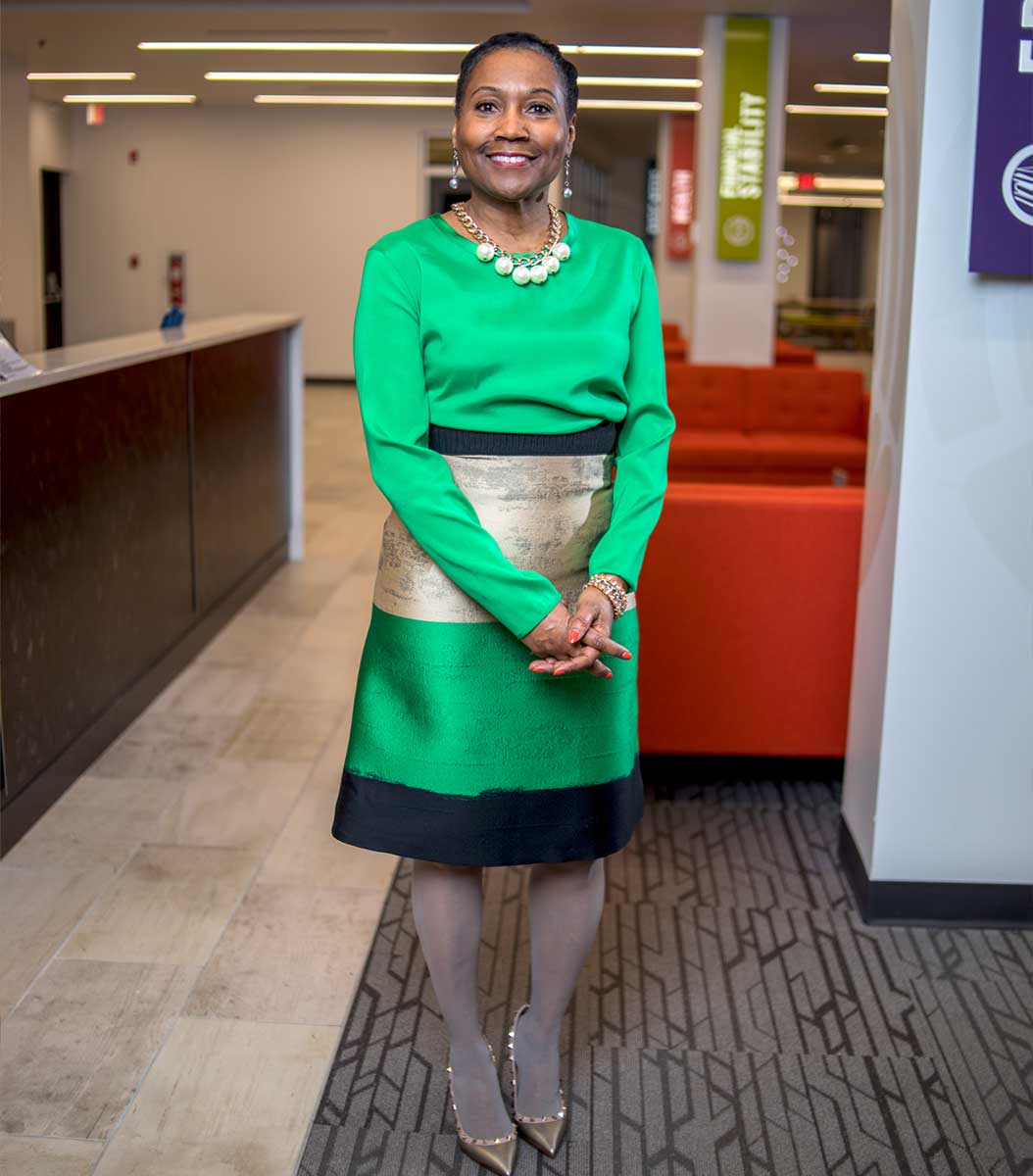
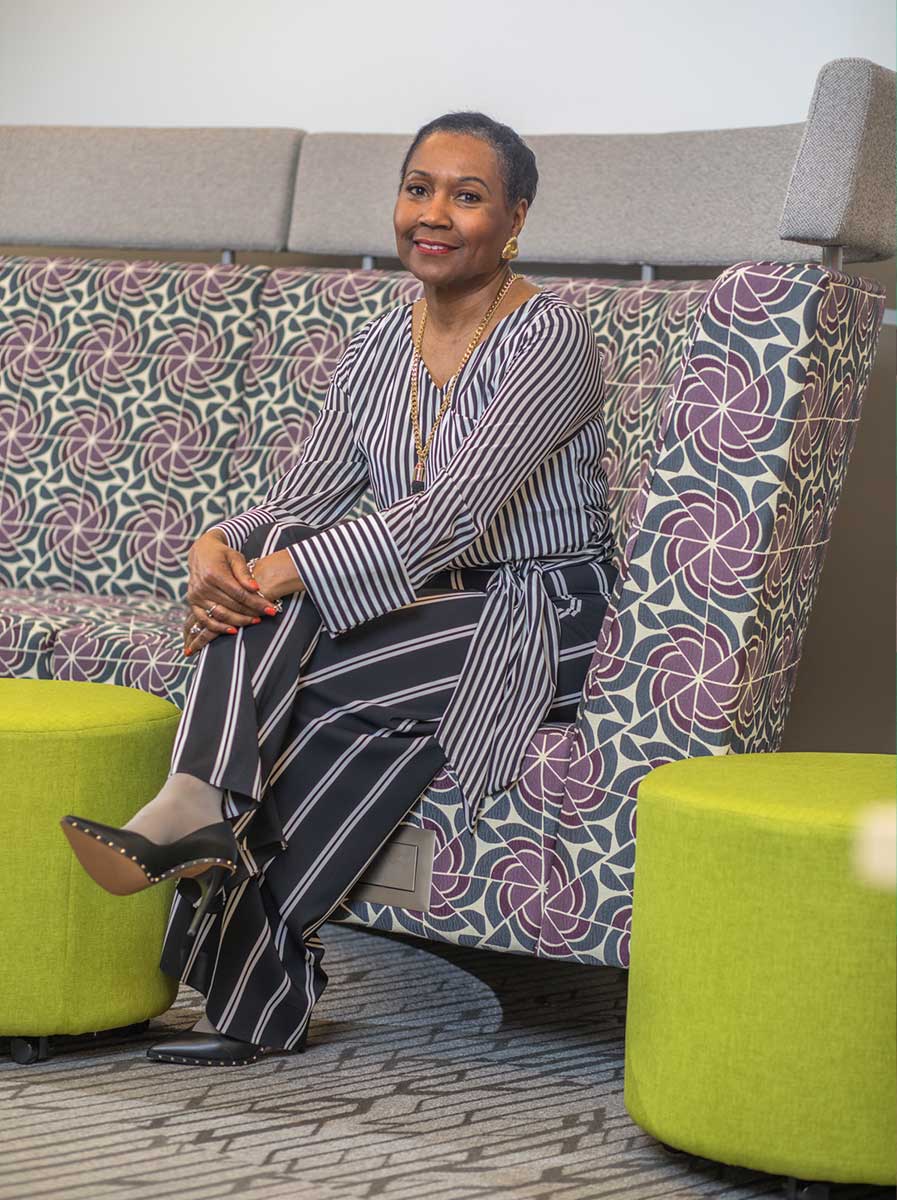
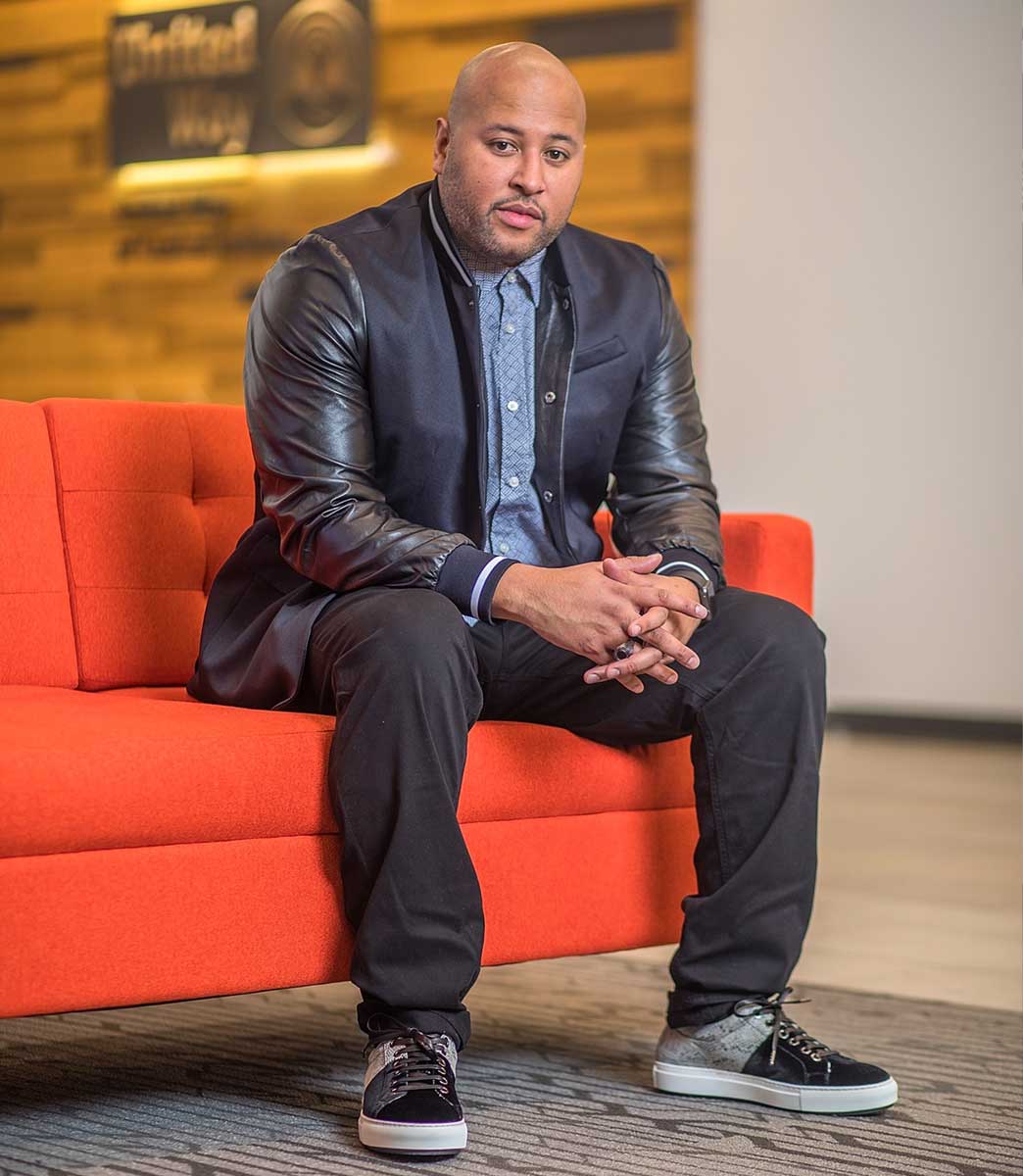
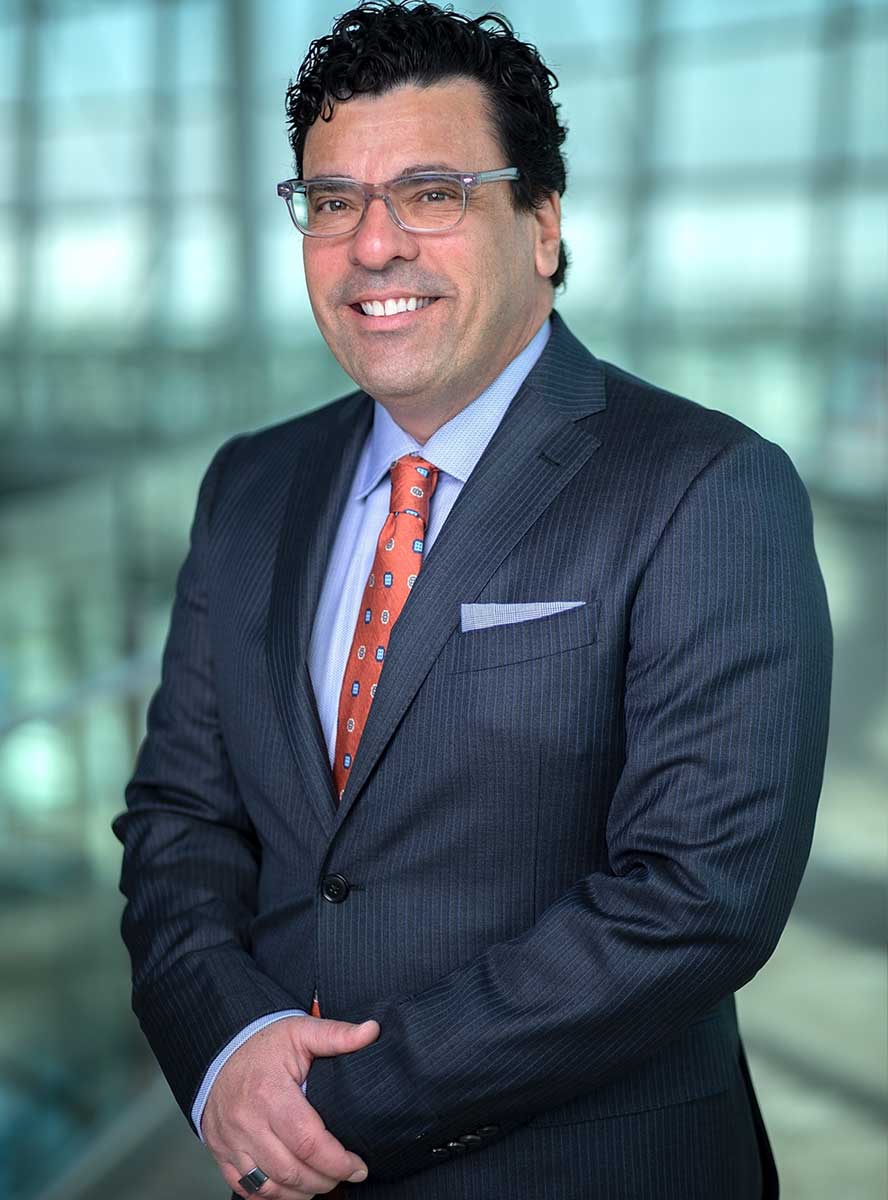
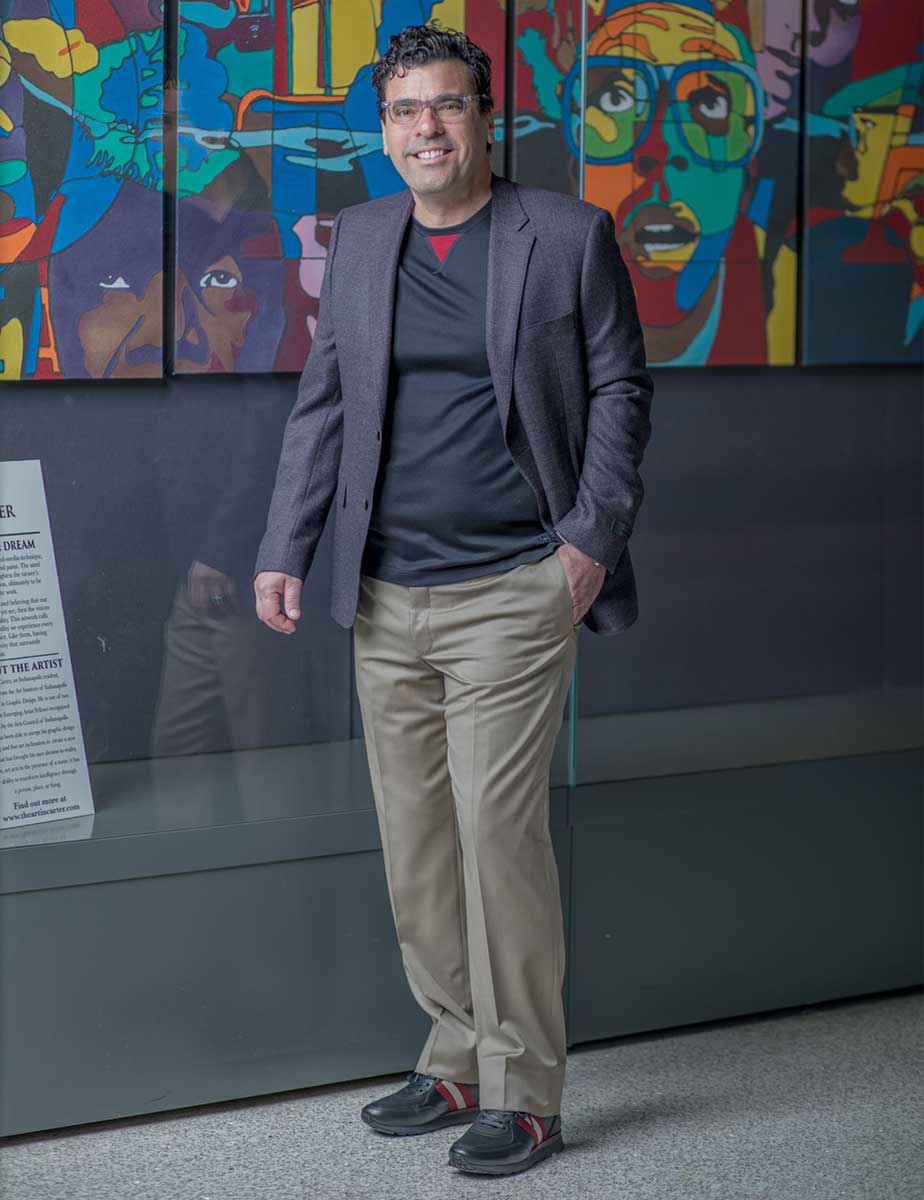
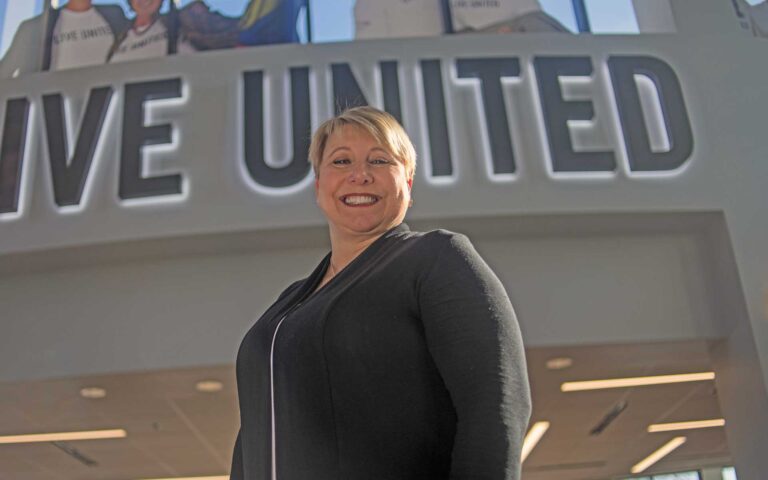
Each spring when the weather warms and the flowers bloom we ditch our winter garb and opt for apparel that is both bright and bold. In the right hands, this combination can look effortless and beautiful but without a fashion compass, this combination can easily be tacky and explosive. No fear, this spring is all about classic styles with an added edge. Take tips from our models Ahmad Moore of Givelify (left), Angela Dabney of United Way of Central Indiana (right) and Mario Rodrigues of Indiana Latino Institute (inside) as they show you which timeless pieces will transition into spring with ease.


Angela Dabney

Vice President

Transformational Gifts

United Way of Central Indiana

Texture matters and satin is the fabric for spring.  Pair a color block saturated long-sleeved satin blouse with a skirt of similar color but different texture such as metallic (Les Copain) for a winning arrangement. Keep accessories neutral with an understated bronze studded heel (Valentino) and a necklace that will enhance the ensemble.

Right: Vertical stripes are on trend this season. Mix and match different size stripes in the same color family and feel free to experiment with the style and design of your overall outfit. This wrap shirt, which pulls at the waist and has dramatic cuffs, carries the picture-perfect contrast against the wide-leg trouser (Alice and Olivia). Finish your outfit with a classic black stiletto (Valentino) that will elongate the leg.

Ahmad Moore

Director of Giving Advancement

Givelify

Keep things casual this spring. This black sports coat/bomber jacket duo (Saks Fifth Avenue Collection) is a great piece to throw over your typical office attire that will give you an in-the-city look in an instant. For a full urban style, trade the hard bottom shoes for a dual-toned printed sneaker (Madison Supply).

Black and white aren’t the only two colors that will pair well with anything. A solid navy suit in a  tapered cut is not only a stylish necessity for every closet but it is also a look that will define your shape. Consider adding dimension by selecting a pastel or printed shirt and a tie in the same hue. Polish off your look with a pocket square or lapel flower that brings it all together (Saks Fifth Avenue Collection).

Mario Rodriguez

Executive Director

Indianapolis International Airport

Board Chair

Indiana Latino Institute

Left: When styling a pinstriped suit of any color the one rule to remember is: less is more. Preserve your professional look by selecting a solid color dress shirt in a traditional fabric like pinpoint oxford or broadcloth. When you’re ready to add in some flare choose a vibrant necktie or pocket square — but not both — for an understated look. (Saks Fifth Avenue Collection).

Ready for some fun? Get sporty with this simple and sleek crewneck shirt (Salvatore Ferragamo) and matching tennis shoes (Bally). Dress this look up with an off-the-cuff textured blazer (Saks Fifth Avenue Collection) and you will be ready for whatever comes your way. 

Special Acknowledgements:


Shyra Ely

Bayette George

Saks Fifth Avenue

United Way of Central Indiana

Indiana International Airport

Gary airport continues expansion

The Gary/Chicago International Airport Authority Board approved a contract with Burling Builders to start construction on a new corporate hangar. The new structure, known as the East Corporate Hanger, will cost nearly $1.3 million and is in line with the airport’s development plan. No tenant has been announced. “This is an exciting time at the airport as we continue to see major advances thanks to investments from the public and private sector,” board chairman Tim Fesko stated.

Cummins launches initiative for women

Following Women’s Day celebrations, Columbus-based Cummins Inc. unveiled Cummins Powers Women, a new initiative to “boost the impact of women and girls on the world.” The program is a multi-million dollar partnership with organizations around the world that offer programs ranging from mentoring to entrepreneurship and leadership development.

Financial center honors excellence 

James Davidson and Marco Dominguez of Financial Center First Credit Union were recently awarded the 2018 President’s Award. They have helped Financial Center win four national awards from the Credit Union National Association. Davidson is director of financial literacy, and Dominguez is director of community development. The President’s Award is the highest honor given by the credit union, which has over 55,000 members throughout Central Indiana. It is awarded to those who show outstanding devotion to serving members and promoting the credit union philosophy of ‘people helping people’.

Stellar resources for rural communities 

The Sagamore Institute has released its annual report on the Stellar Communities Program. It revealed that Indiana communities with a Stellar designation gained more than $135 million in economic improvements. Launched in 2011, the Stellar Communities Program uses investment plans, grants, low-interest loans and partnerships to promote regional economic growth. It is led by the Office of Community and Rural Affairs (OCRA) under Lt. Gov. Suzanne Crouch. 

IU celebrates new center

Lilly Endowment provided a $10 million grant to support a new center that focuses on the economic needs and opportunities of 11 counties in Southwest Central Indiana. Indiana University launched the Center for Rural Engagement in 2015. The Lilly grant will increase opportunities for the center to be “a force for good in the lives of our fellow Hoosiers” through partnerships, officials said.

Faith-based automobile repair company needs franchisee

Christian Brothers Automotive needs a local entrepreneur to own and operate a new location in Greenwood, Indiana. 

Christian Brothers Automotive, a faith-based automobile maintenance and repair company, already operates locations in Carmel, Fishers and Westfield. The Greenwood location is part of Christian Brothers Automotive’s plan to expand in the Midwest.

Christian Brothers Automotive was founded in Mission Bend, Texas, in 1982. Potential franchise owners should have leadership experience and a commitment to service. The initial investment for a franchise ranges from $458,950 to $555,350 with about 83 percent of the investment typically financed over a 10-year period with Small Business Administration (SBA) loans. Those interested must have a net worth of $250,000 and $85,000 liquid capital.

More information is available at christianbrothersfranchise.com

The impact of diversity on nonprofit boards

Shannon Williams

President and General Manager

The area of diversity has been studied extensively for years. We have been told — and data has proven — that the more diverse businesses, organizations and politics are, the better for everyone. However, until recently, very little data has been developed that correlates diversity on nonprofit boards to board engagement and impact. 

That mystery is now solved.  

Thanks to research conducted by the Indiana University Lilly Family School of Philanthropy at IUPUI in partnership with Johnson, Grossnickle and Associates as well as BoardSource, we have a better understanding of engagement and impact as they both relate to diversity. While I could have projected most of the study’s findings, a few surprised me. Perhaps the most important finding of the report is that board diversity works immensely well all around and it leads to immediate progress as well as long-term growth. 

OK, on to the findings.

The research shows boards with higher percentages of women are likely to engage more in overseeing and governance of the organization and have higher levels of commitment and involvement. This is also true for boards who have high numbers of members who are age 39 and younger. Female board members also participate in fundraising at higher levels and they received higher grades from their CEOs for higher fundraising efforts. 

But that isn’t the end of women’s positive attributes to boards. As a matter of fact, boards with more women tend to be more engaged in advocacy activities. 

I was surprised to learn that boards with a higher percentage of members 39 years old and younger were more likely to have members ask others for money. Based on my conversations with board chairmen and chairwomen over the years, I was informed that the younger demographic was less likely to ask for or participate in fundraising efforts mostly because they didn’t possess a level of comfort making financial solicitations. 

Not so surprising to me was arts and culture organizations are more consistently involved with fundraising. The study found boards that had a higher percentage of Asians were rated higher in fundraising performance by their CEOs. The study noted there were no significant findings among boards with higher percentages of people of color. 

Despite the growing minority population and women’s rise of educational and professional success, the majority of boards are primarily white, older and have more men. This is why the topic of diversity needs to remain at the forefront of discussion. While we’ve seen the number of minorities and women who have a seat at the table increase, overall, that increase has been minimal. Continuous conversations, deliberate actions of nonprofits and being open-minded will help close this gap. Hopefully such change will come sooner, rather than later because diversity has its privileges and nonprofits as well as businesses in general can be direct recipients. 

Closing the Gap

Women and people of color are severely underrepresented within nonprofit leadership, here’s why and how to change that.

By Brittany King

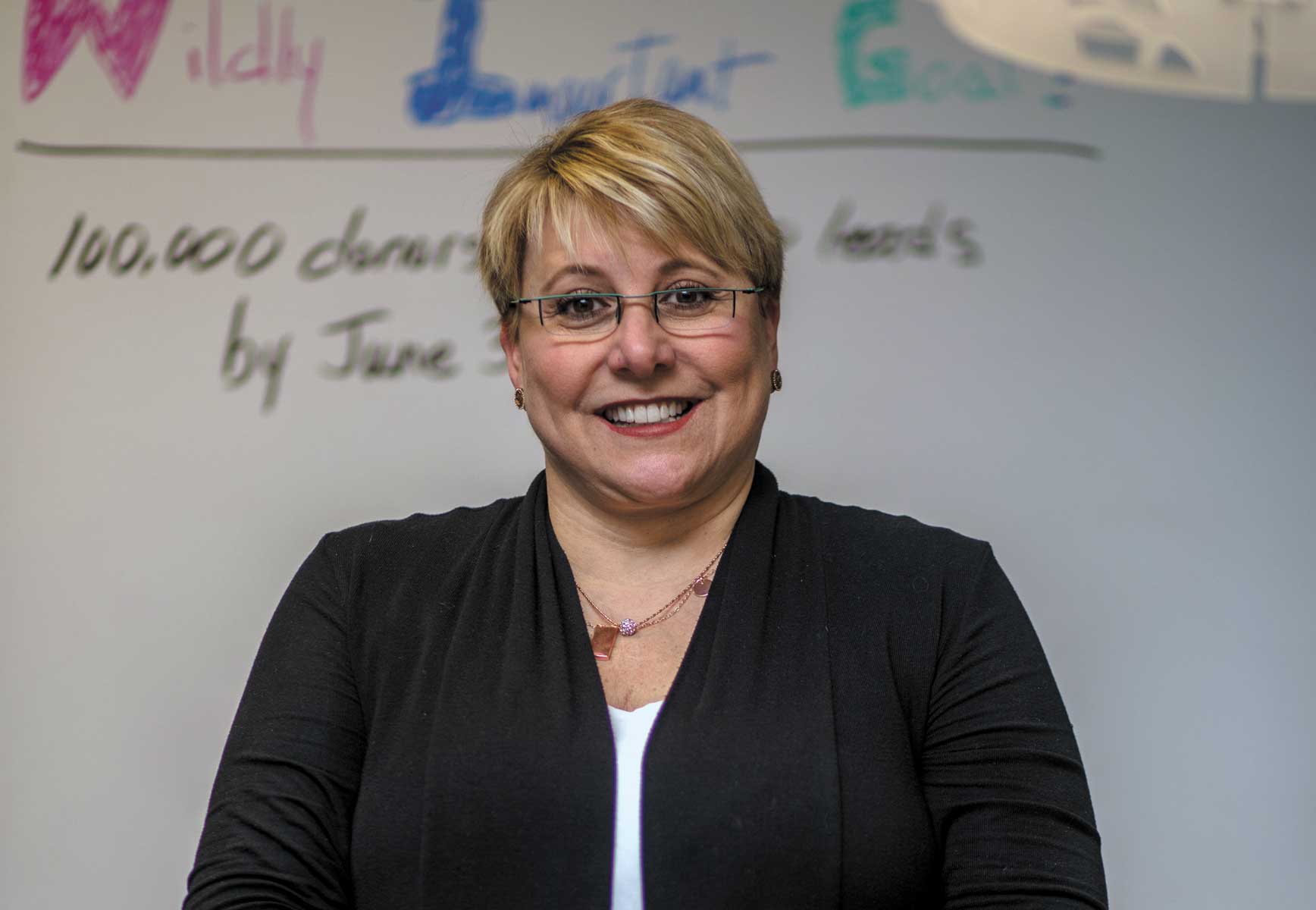
In 2016, CEO and President of United Way of Central Indiana (UWCI) Ann Murtlow attended a conference on behalf of three corporate boards (Wabash National Corporation, Great Plains Energy and First Internet Bancorp). She knew the conference would provide insight into how to make UWCI stronger and how to support her community better, but she didn’t expect one speaker to completely change her perspective on how she approached her work going forward. 

Howard Ross, author of “Everyday Bias: Identifying and Navigating Unconscious Judgments in Our Daily Lives” and founder of Cook Ross, a diversity consulting company, spoke at the conference Murtlow was attending. During his presentation, he pushed to get the audience to think about diversity beyond quotas to fill. Murtlow got the message loud and clear. 

“What he said really resonated with me,” she said. “He said that everyone has unconscious biases that influence their behaviors and decisions and that while a lot of organizations focus on the diversity of their staff in terms of percentages, it doesn’t mean that they achieve inclusion.”  

Murtlow returned home from the conference with a set of new ideas for UWCI and was eager to get the staff’s and board’s feedback. She was determined to make the organization she led stronger with new values and an intentional commitment to diversity and inclusion.

Diversity in nonprofits  

In June 2017, Building Movement Project — an organization that helps nonprofits focus on progressive social change — co-directors Sean Thomas-Breitfeld and Frances Kunreuther conducted a study on diversity within leadership teams and boards at nonprofit organizations across the country. As a result, they published “Race to Lead: Confronting the Nonprofit Racial Leadership Gap.” The study, shut down many myths and misconceptions used to justify the lack of diversity in leadership positions within the industry and also gave advice on how organizations can be part of the solution rather than the problem. 

The “Race to Lead” study was born out of a lack of surveys like it. 

“There were other surveys about nonprofit leadership that had this section about diversity, so it was part of the conversation, but it wasn’t the entire focus,” Thomas-Breitfeld said. 

Thomas-Breitfeld and his colleague read through surveys on the topic of nonprofit leaderships for years and kept noticing the same problem: Less than 20 percent of the nonprofits surveyed were led by people of color. What stood out to the pair most is that after years of surveys, that 20 percent hadn’t changed. 

“We have reached this plateau, which is less than half of our actual representation in this country,” Thomas-Breitfeld said. 

According to the most recent Census data, people of color make up 40.9 percent of the country’s population and that number is growing rapidly. Births of color have outpaced white births since 2012 and millennials (people born from 1981-1999) are the most diverse generation yet. In other words, the demographics of the nation are changing, but the nonprofit sector is having trouble keeping up. 

The facts and figures in the survey are based off of answers from more than 4,000 respondents. These respondents answered questions about their current nonprofit job, interest in leading a nonprofit, training, views of leadership and personal background. Participants also were asked about their views on race in the nonprofit sector. This report is the first of a series that will be released over the next two years. The main takeaways from the first report are the following: 

1. It’s not about the differences in background or qualifications, nor is it about skills and preparation.

Sometimes, a call for more diversity in an organization comes with ideas about accepting less qualified candidates. Thomas-Breitfeld disagrees. Based on the respondents of his report, white candidates and candidates of color have almost identical educational backgrounds. 

“When organizations are really thinking about how to diversify and get the best candidates, sometimes that may involve considering what the idea of qualification is,” he said.

He encourages organizations that aren’t bound by strict requirements (which are sometimes due to government funded grants) to look at the value in an applicants lived experiences, especially if they are coming from a population that an organization serves. 

2. It’s not about a lack of aspirations. 

Survey results showed that people of color were more likely to have goals of reaching a leadership position within their nonprofit organization. Seventy-six percent of respondents of color said they either definitely or maybe had an interest in a leadership role compared to 66 percent of white respondents.

3. It is an uneven playing field. 

Most of the aspiring leaders said they felt prepared to take on an executive role. However, more than a third said they wanted more technical and management skills. Respondents of color identified as having this need more often than whites. Respondents of color were also more likely than white respondents to see their race/ethnicity as a barrier to advancement. One respondent said “As a Latino woman and an immigrant, I am stereotyped all the time … [I am] sometimes the only woman of color in the room.” 

4. It is the frustration of “representing.” 

All respondents said they were frustrated with the large workloads that often come with working at a nonprofit, but respondents of color felt that they had two sets of responsibilities. They were expected to perform their job duties and fix issues of racism and inclusion within the organization. One respondent said this type of emotional labor can be lonely and often goes unnoticed. “[The organization] looked to me to solve all the problems of racism within the organization. By default, people of color often become the face of accountability or point of feedback in such situations. It put a huge responsibility on me; over time, I spent at least 50 percent of my time doing that work … rather than my job description of national organizing. A lot of my work was invisible.” Thomas-Breitfeld acknowledges that this sort of emotional labor exists for minorities in this industry. He believes the conversation should be reframed to include all nonprofit leaders, regardless of race.

“We can’t do all the work alone,” he said. “Part of being a white leader in the nonprofit world is the ability and willingness to have these conversations [about diversity and inclusion] in an open and productive way with other white people.”

5. It’s not personal, it is the system.

Respondents in the report were from nonprofits across the country that varied in size, funding and racial makeup. Still, the outcomes of the report show similar problems across the industry. The report concluded the lack of diversity within leadership was a structural problem of the entire nonprofit industry. Many respondents believe boards and executive recruiters must be committed to doing this work in order for there to be change. Eighty percent of respondents of color and 67 percent of white respondents said executive recruiters don’t do enough to find a qualified diverse candidate pool.

Moving Forward 

While the outcome of the “Race to Lead” report may be discouraging to some, Thomas-Breitfeld says he’s already seen how conversations have shifted within the nonprofit sector. He believes the shift has partially occurred due to the political landscape of the country. 

“People have been shocked and dismayed and it’s made nonprofit leaders more serious about and willing to engage in these difficult conversations about diversity, race and sexism,” he said. “There seems to be less minimizing of the concerns [minority] groups have.”
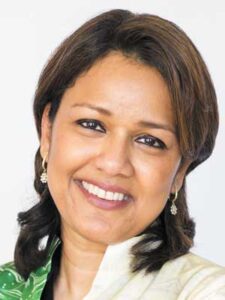
Still, there is work to be done if the 20 percent of people of color serving in nonprofit leadership roles is to increase. Anika Rahman—a nonprofit consultant for organizations that have progressive and liberal goals—has spent the last 20 years leading nonprofits and enhancing diversity and inclusion. 

Throughout her career, Rahman has often been the only woman of color in boardrooms and on leadership teams. That hasn’t stopped her from becoming a co-founder of the Center for Productive Rights, CEO of Friends of the United Nations Population Fund, head and CEO of the Ms. Foundation for Women or the Chief Development Officer for Rainforest Alliance. She’s also spent her time working with nonprofit organizations looking to create social change. No matter the organization size, mission or geographical location, she believes there are a few things nonprofits can do to not only increase diversity at an organization, but ensure those voices are being included in all conversations of the business, not just ones surrounding race. Rahman believes diversifying a nonprofit staff, executive team or board starts with a commitment to transformational change, educating external stakeholders and reshaping what culture means at your organization. 

Rahman says being committed to transformational change means you must be willing to challenge societal biases.

“Diversity and inclusion doesn’t come by just saying you care about it and then expecting it to happen automatically at your organization,” she explains. 

When it comes to challenging biases, she believes organizations should start with soft conversations internally — this includes educating your board, recruiters and other human resource staff members. 

“Don’t assume everyone in the organization knows why diversity and inclusion should be important to them,” she says. “The commitment to these things have real implications and, in so many ways, can bring you closer to your stakeholders and enable you to be more impactful. But nothing will change until leaders sit down, think about it and talk it out.”

When it comes to educating external stakeholders, Rahman suggests giving them information that debunks stereotypes or widely held myths. She cites the “Race to Lead” report as a great way to get stakeholders to see that the lack of diversity is systemic and not just special to their organization or location. In Indiana, this could mean not using the lack of racial diversity in rural areas as an excuse not to include diverse candidates in positions of power. Rahman also says, donors are not one size fits all and it isn’t always just about money. 

“People of color don’t have the same networks as their peers have and larger donors don’t always have experience with the group they’re hoping their donation will help,” she said. “White donors need to be able to be in social settings where they can network with people of color, both parties will benefit from these types of interactions.” 

Lastly, Rahman sites cultural fit as a barrier that is holding organizations back from their diversity and inclusion goals. She says rarely are hiring decisions actually about office culture, but more about who recruiters and hiring managers are most comfortable with. 

“Someone like me, a woman of color and immigrant walks in, you may not be as familiar with me and my culture, but it isn’t about me, a potential diverse candidate, it’s about how the organization deconstructs their feelings about a person who is different from them,” she said. 

She suggests nonprofits be open and not jump to conclusions based on how a person looks, or even how they speak. 

“Nonprofit leaders have to foster an organization that is open to learning about people who are different from them,” Rahman said. “It doesn’t just happen.” 

Changes in Indiana
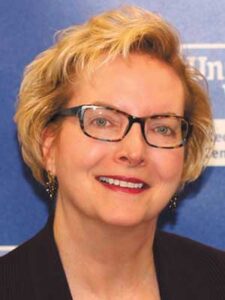
As for Murtlow and United Way of Central Indiana, since attending the National Association of Corporate Directors conference, she hired Nancy Ahlrichs as chief talent officer. Ahlrichs is an expert in talent development and diversity and inclusion. Under her leadership, the organization had previously won numerous Best Places to Work awards which are determined based on each staff member’s overall perception of culture and inclusion in the office. UWCI has also developed a new set of core values that spell “CARE” which stands for courage, accountability, respect and excellence. In addition, the organization came up with a statement for their commitment to diversity and inclusion.

“What I love most about our new set of values is that diversity and inclusion cuts across all four of them,” Murtlow said. “I’m a believer that the more voices you have helping to make the organization more effective, the better off your organization is going to be. The more perspectives you have around issues, the richer the debate will be and ultimately the better the decisions will be.”  

Murtlow and her staff didn’t stop after crafting a new statement and set of values for the organization, together, the staff of 120, including leadership and board members, participated in unconscious bias training in 2016.  In addition, the organization hosted a community conversation with 150 diverse members of the community in January of 2017 with no purpose other than to increase personal understanding and empathy. “What It’s Like To Me” was a big hit.  Originally facilitated by a Cook Ross consultant, United Way staff are now trained to conduct these more broadly with the agencies they serve and with corporate partners.

“People who have attended are left wanting more,” Murtlow said. “It changes your culture. When you have a personal connection with the people you work with, you work better. When you have a personal connection with others in your community, the community is stronger.”

The staff is also reminded of the organization’s values and diversity and inclusion mission every day when walking around the office. Walls of conference rooms and hallways leading to working spaces are filled with the values and mission they created as a staff.

When asked about why the changes were important — especially for an organization that has been around for 100 years like UWCI has — Murtlow said it just made sense. 

“I love this community,” Murtlow said. “I’ve lived in so many places where people don’t have time for one another, but they do here. I want this to be a place where diversity and inclusion is part of our DNA. I want Indiana to be a great place to live for everyone and without the work, without real understanding that allows for hard conversation, that won’t happen. Without an opportunity to understand and learn from people different than you, there can be no empathy.”  I

Q&A with Ann Murtlow 

Before she was the CEO and President of United Way of Central Indiana, Ann Murtlow grew up on the East Coast, worked abroad in London, was an engineer and served as the president, CEO and director of Indianapolis Power and Light for a decade. Now on the nonprofit side, Murtlow sat down with IMBM to discuss what she’s learned in her career thus far and what she loves most about what she does. 

What are some of your strategies for success?

Hire well is a big one. Develop people, empower people to reach their potential. That’s my biggest thing is really empowering people to reach that potential both individually and as a team. There is no better feeling than watching someone do something they didn’t think they could do.

What’s the biggest lesson you’ve learned so far in your career?

You can’t be courageous if you’re not willing to fail and you can’t be excellent if you can’t admit failure and learn from it. These are two of our values: courage and excellence.

What project/task have you accomplished at United Way that you’re most proud of?

Cultural change within the organization. So, how do we become a fast-moving ship — we’re 100 years old — which makes it very hard to change, so that culture change is something I’m very interested in. We needed to really create a collaborative environment. We were in a space that was wonderful, but didn’t’ create an environment that was conducive to collaboration. My one goal when moving to this new office was to create accidental collaboration at every turn.

What advice do you have for women looking to be in leadership positions such as yourself?

Be strong. Be intentional — don’t just take what you can get, work hard. There is no substitute for working hard. Organizations will measure your worth by the value that you have, if you can figure out a way to work smarter, then great. Learn everything you can. Let people know what your aspirations are and show them that you’re willing to work for them. Be confident. People respect confidence.


Translate »